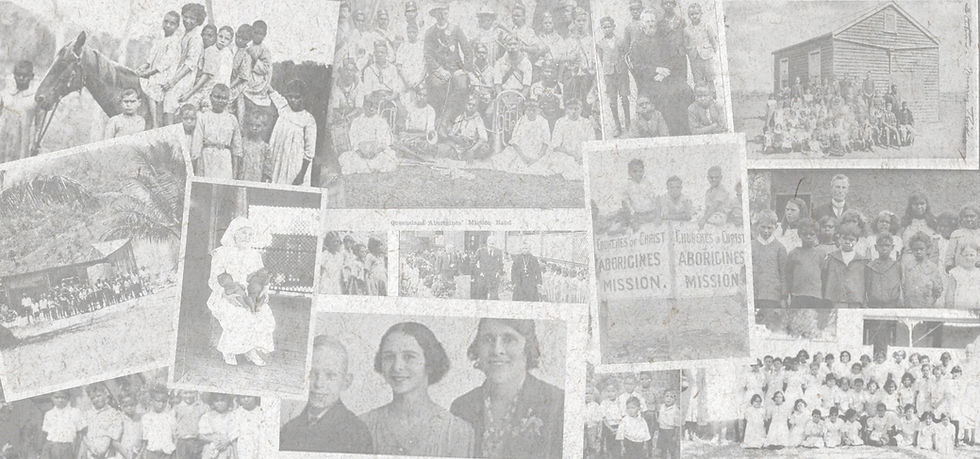

The Stolen Generations are not just part of our history.
The impacts of forced removal continue to affect the lives of survivors, families and the Queensland we all share.
Genuinely addressing the ongoing impacts will contribute to a healthier, safer and stronger Queensland for everyone.
This website is an initiative of Link-Up (Qld), created to help Queenslanders understand why supporting Stolen Generations survivors and descendants matters to us all.


Still Bringing Them Home Podcast
The Still Bringing Them Home Podcast brings together descendants, community leaders and well-known Australians for honest conversations about identity, family, resilience and healing.
Across three episodes, our guests share personal reflections on what it means to know who you are, where you come from, and why understanding the legacy of the Stolen Generations remains important for all Australians.
Episode 1
Guests: Mike Salbro & Sara Frazer

Episode 2 - Coming soon
Guests: Kyle Shilling and Patricia Thompson AM
Episode 3 - Coming soon
Guests:


''After learning that I had been removed from my Indigenous mother, I felt caught between two identities and completely lost.''
Morgan Mercer
Stolen Generations Survivor

"'My family is my main priority in life, they are my next line of generation.
Still today, we have many questions about who we are and where we come from.''
Marim Brown
Stolen Generations Descendant

''We've always had that longing to know who we really were, and to be able to tell our own story.''
Sam Songoa
Stolen Generations Descendant

''It has taken me decades to discover and embrace my identity, but it's never too late for family.''
Angelique Wittwer
Stolen Generations Survivor


Support is available
The stories and information shared on this website may bring up difficult feelings. For 24/7 crisis support, contact 13 YARN or Lifeline.
For information about Link-Up (Qld)’s services for Stolen Generations survivors and descendants, visit our main website.
Why ""Still Bringing Them Home""?

In 1997, the landmark Bringing Them Home report (commissioned by the Australian Government) documented the lasting harms of forced removal and made 54 recommendations for truth, healing, family reunion and reparations. Almost 30 years later, only five have been clearly implemented.
Queensland remains the only Australian jurisdiction without a dedicated Stolen Generations redress scheme.
The ripple effects continue
The effects of forced removal continue across generations, affecting family, culture, identity and wellbeing. 50% of Stolen Generations descendants have been diagnosed with a mental health condition.
Supporting healing through family and cultural reconnection can help break the cycle and build a healthier, safer and stronger Queensland.

